
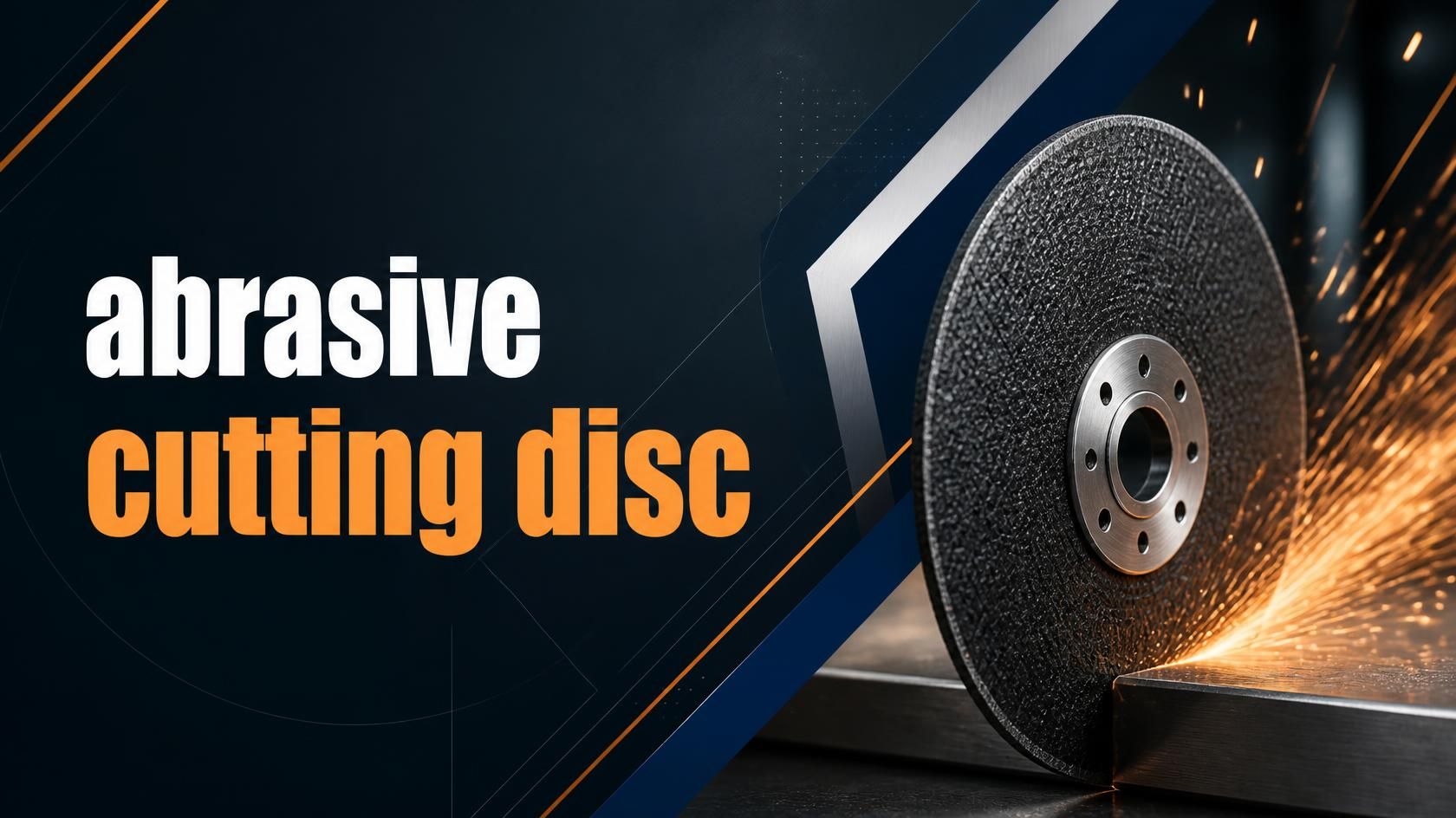
A clean cut is not only about having a powerful machine. The right abrasive cutting disc can improve speed, accuracy, safety, and disc life. But choosing and using one correctly takes more than picking a disc from the shelf. This guide explains ten practical factors that help beginners and professionals get better cutting results.
What Is Abrasive Cutting Disc Performance?
Abrasive cutting disc performance refers to how effectively a disc cuts a material while maintaining speed, accuracy, durability, and safety. An abrasive cutting disc contains abrasive grains bonded together to remove material through controlled friction. Performance depends on the disc type, material being cut, machine speed, pressure, and operating technique.
10 Key Things to Know
1. Match the Disc to the Material
Different materials require different abrasive compositions. Steel, stainless steel, cast iron, and other metals can respond differently to the same disc. Always check the manufacturer's recommended applications before cutting.
2. Check Disc Size
The disc diameter must match the machine and guard. Using an incorrectly sized disc can affect stability and create serious safety risks. Never modify a disc to make it fit.
3. Respect Maximum RPM
Every disc has a maximum operating speed. The grinder or cutting machine should never exceed the disc's rated speed. Check the disc label before installation.
4. Use the Right Cutting Angle
Keep the disc positioned correctly for the intended cut. Avoid twisting or bending the disc during operation. Side pressure can damage a cutting disc because it is designed primarily for cutting, not grinding.
5. Apply Controlled Pressure
More pressure does not always mean faster cutting. Excessive force can increase heat, wear, and the chance of disc damage. Let the abrasive grains do the work.
6. Keep the Cut Straight
A straight cutting motion reduces unnecessary stress. Avoid forcing the disc sideways or using it as a lever inside the cut.
7. Watch for Heat
Excessive heat can affect both the workpiece and disc. If the material begins discoloring or the disc shows unusual wear, review your cutting pressure, disc selection, and technique.
8. Inspect Before Use
Before installing an abrasive cutting disc, inspect it for cracks, chips, deformation, or other visible damage. Do not use a damaged disc, even if the damage appears minor.
9. Store Discs Properly
Moisture, extreme temperatures, and poor storage can affect some bonded abrasive products. Keep discs dry and protected from impact. Follow the storage instructions supplied by the manufacturer.
10. Prioritize Safety
Use the correct guard and personal protective equipment. Eye and face protection, suitable gloves, hearing protection, and appropriate work clothing can reduce exposure to common workshop hazards.
Common Mistakes to Avoid
Even a high-quality abrasive cutting disc can perform poorly when used incorrectly. Watch for these common mistakes:
- Using the wrong disc: Match the disc to the material and application.
- Ignoring RPM limits: Never exceed the marked maximum speed.
- Applying excessive pressure: Use controlled force instead of forcing the cut.
- Side loading the disc: Keep cutting discs aligned with the cut.
- Skipping inspection: Check every disc before installation.
- Removing the guard: Keep the machine's protective guard correctly installed.
- Using damaged discs: Replace discs with visible cracks or other damage.
These simple checks can improve consistency while reducing avoidable risks.
Where to Find More Information
For reliable guidance, start with the instructions supplied by the disc and machine manufacturers. Safety standards and industry organizations can also provide useful information about abrasive products and safe operation.
The Occupational Safety and Health Administration (OSHA) provides workplace guidance for abrasive wheel machinery and related hazards. Manufacturers such as 3M, Norton/Saint-Gobain, and other established abrasive-product companies also publish application and safety information.
When selecting an abrasive cutting disc, always give priority to the manufacturer's technical specifications rather than relying only on appearance or price.
Conclusion
Good abrasive cutting disc performance comes from the right combination of product selection, machine compatibility, cutting technique, inspection, and safety. Start by matching the disc to your material, respecting RPM limits, and using controlled pressure. Then follow manufacturer guidance and review your results. Apply these practices consistently for cleaner, safer, and more efficient cutting.
Frequently Asked Questions
1. What is an abrasive cutting disc used for?
An abrasive cutting disc is primarily used to cut materials such as metal and other suitable workpieces. The abrasive grains gradually remove material as the disc rotates.
2. How do I choose the right abrasive cutting disc?
Consider the material, disc diameter, thickness, machine type, maximum RPM, and intended application. Always follow the manufacturer's compatibility recommendations.
3. Can a cutting disc be used for grinding?
Generally, no. Cutting discs are designed for cutting and should not be used for side grinding unless the specific product is explicitly designed and rated for that purpose.
4. Why does my abrasive cutting disc wear out quickly?
Fast wear can result from the wrong disc, excessive pressure, incorrect operating speed, poor cutting technique, or an unsuitable application. Check the manufacturer's recommendations first.
5. How should abrasive cutting discs be stored?
Store discs in a clean, dry environment away from excessive moisture, heat, impact, and other conditions specified by the manufacturer. Keep them protected from damage until needed.